
MOROCCO
A Journey Into Morocco
Mountains, medinas, and open spaces – experienced at an unhurried pace.
A considered Introduction to Morocco
Positioned between Africa, Europe, and the Atlantic, Morocco is shaped by movement — of people, ideas, and landscapes. Imperial cities, mountain villages, and open plains coexist here, each carrying layers of history without feeling frozen in time.
This journey is designed as a balanced introduction. Rather than rushing from highlight to highlight, it unfolds gradually — allowing space for atmosphere, contrast, and discovery. From lively urban moments to quieter natural settings, it offers a rhythm that feels immersive, grounded, and thoughtfully paced.
WHEN
March to June | Sep to Nov
PRICE
from $5,600pp excl. flights.
(based on 2 ppl sharing)
HOW LONG
7 nights
Ideal Length
Marrakech
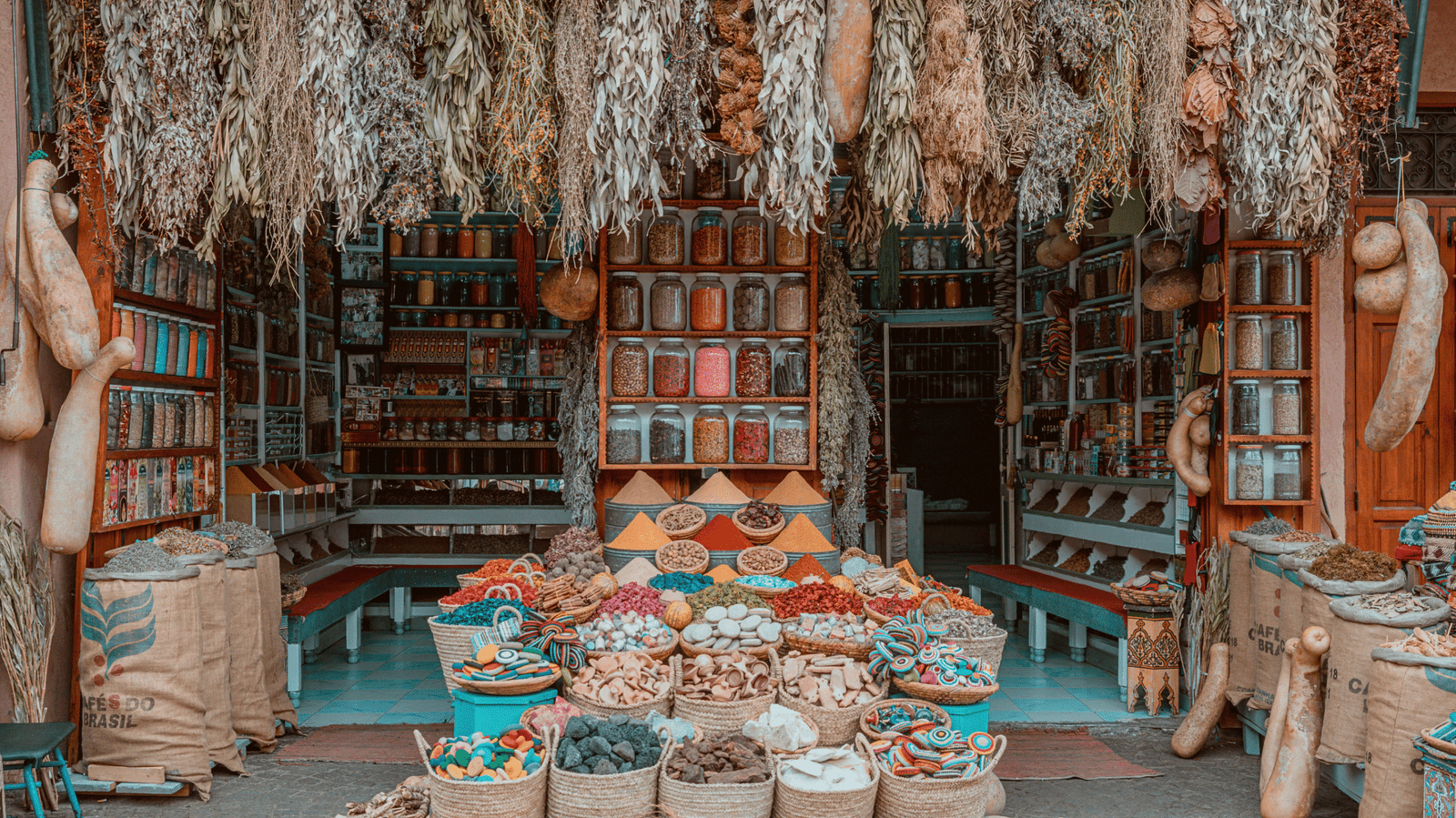
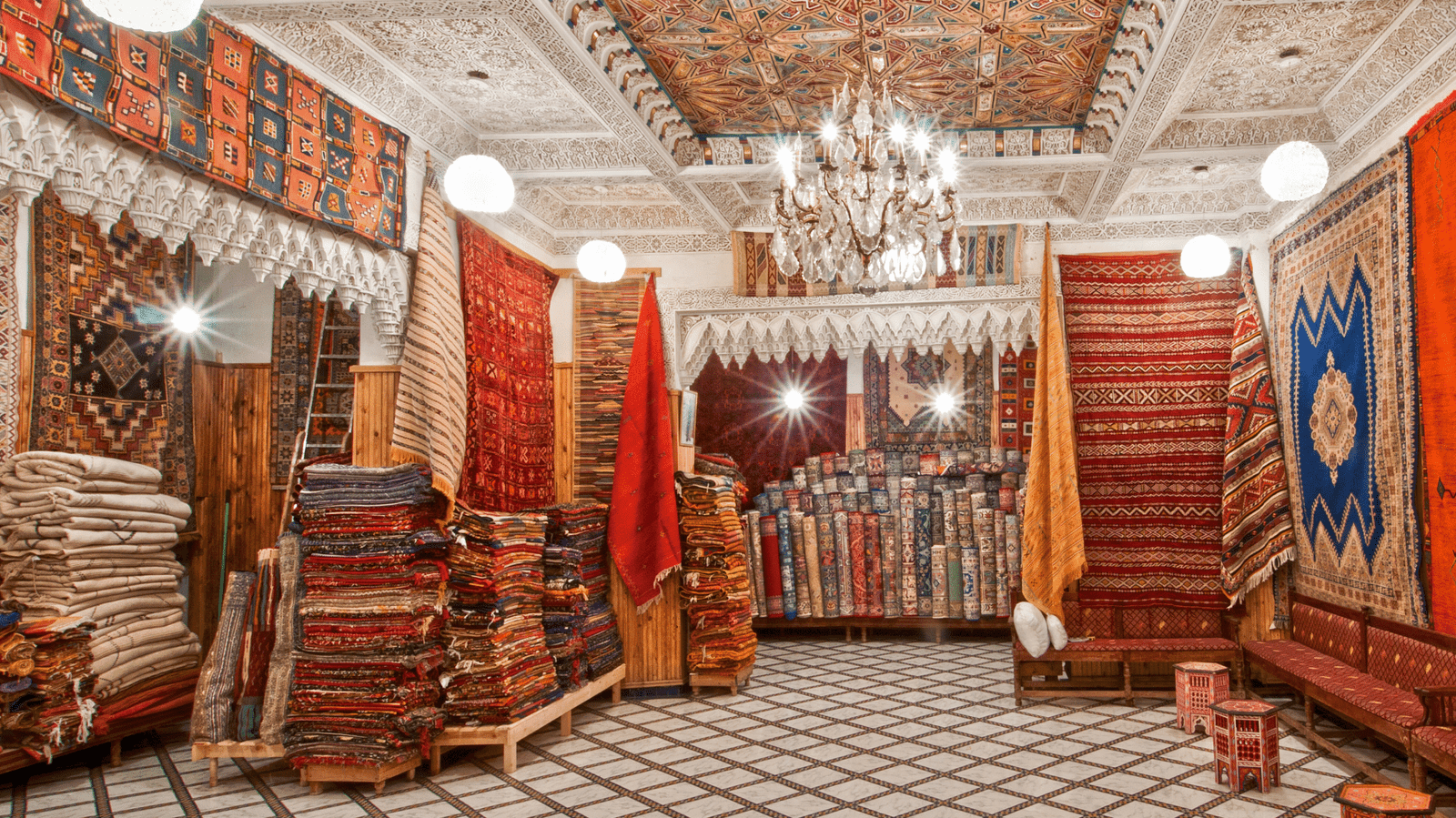
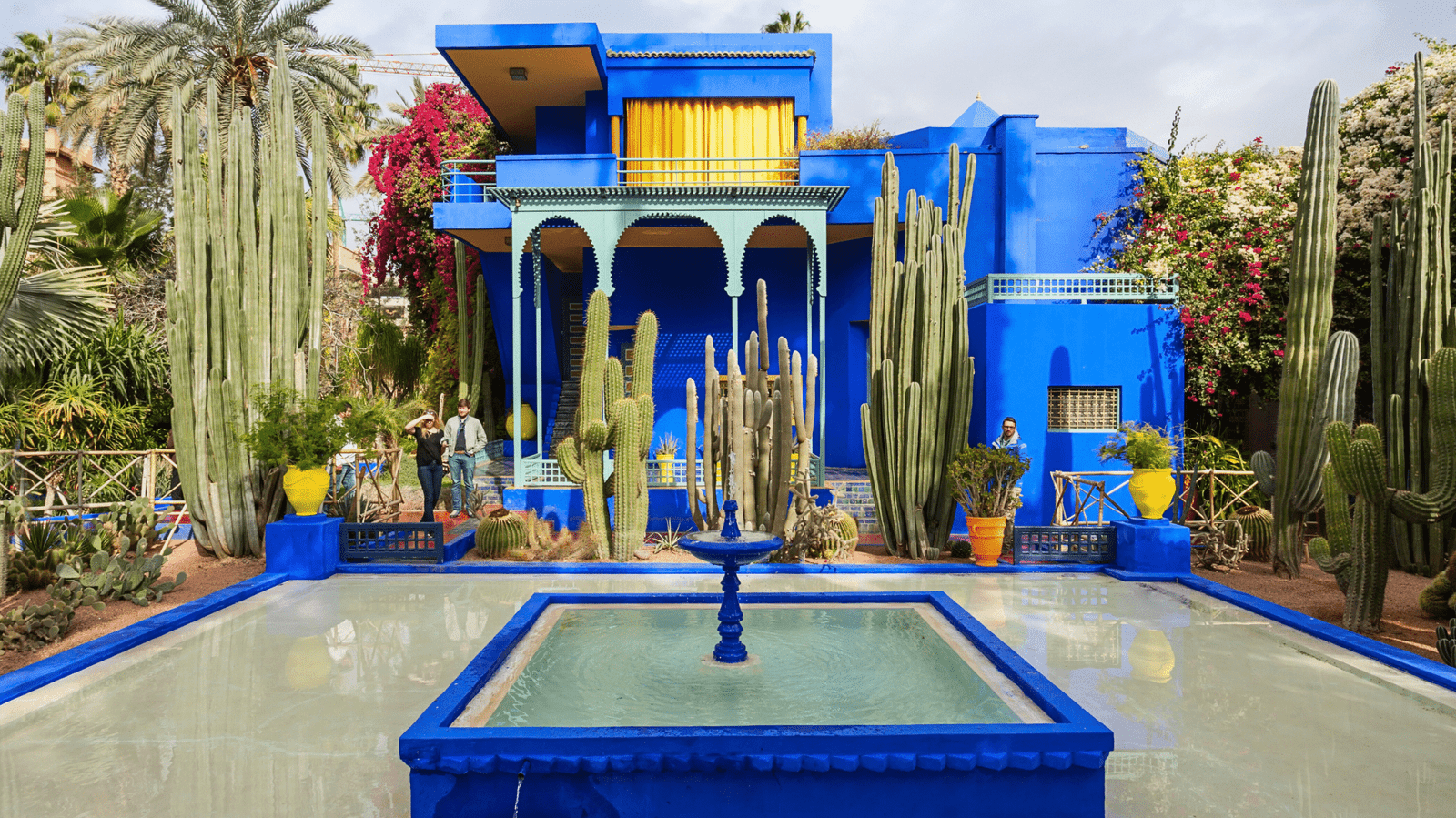
Marrakech is where the journey begins — a city shaped by rhythm and contrast. Ancient walls enclose gardens, palaces, and souks that unfold slowly, revealing layers of craft, ceremony, and daily life. This opening chapter sets the pace: immersive, unhurried, and grounded in place.
DAYS 1-3
DAY 1 – Arrival in the Ochre City
Your journey begins in Marrakech, where a private driver brings you into the heart of the city. Arrival times vary, and the day is designed to adapt — allowing space to settle in at your own pace, whether that means pausing to rest, refreshing after travel, or simply taking in your surroundings.
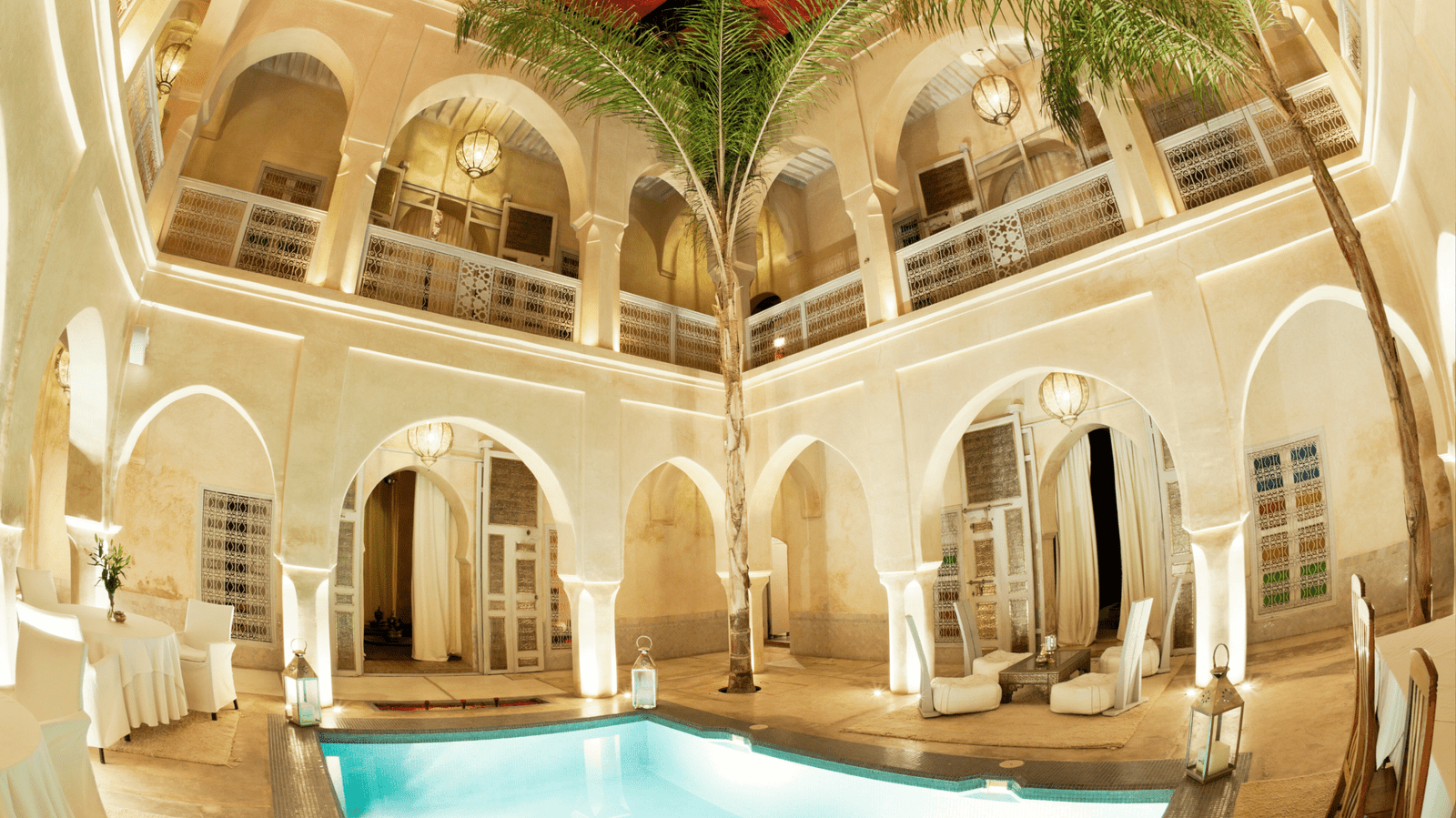
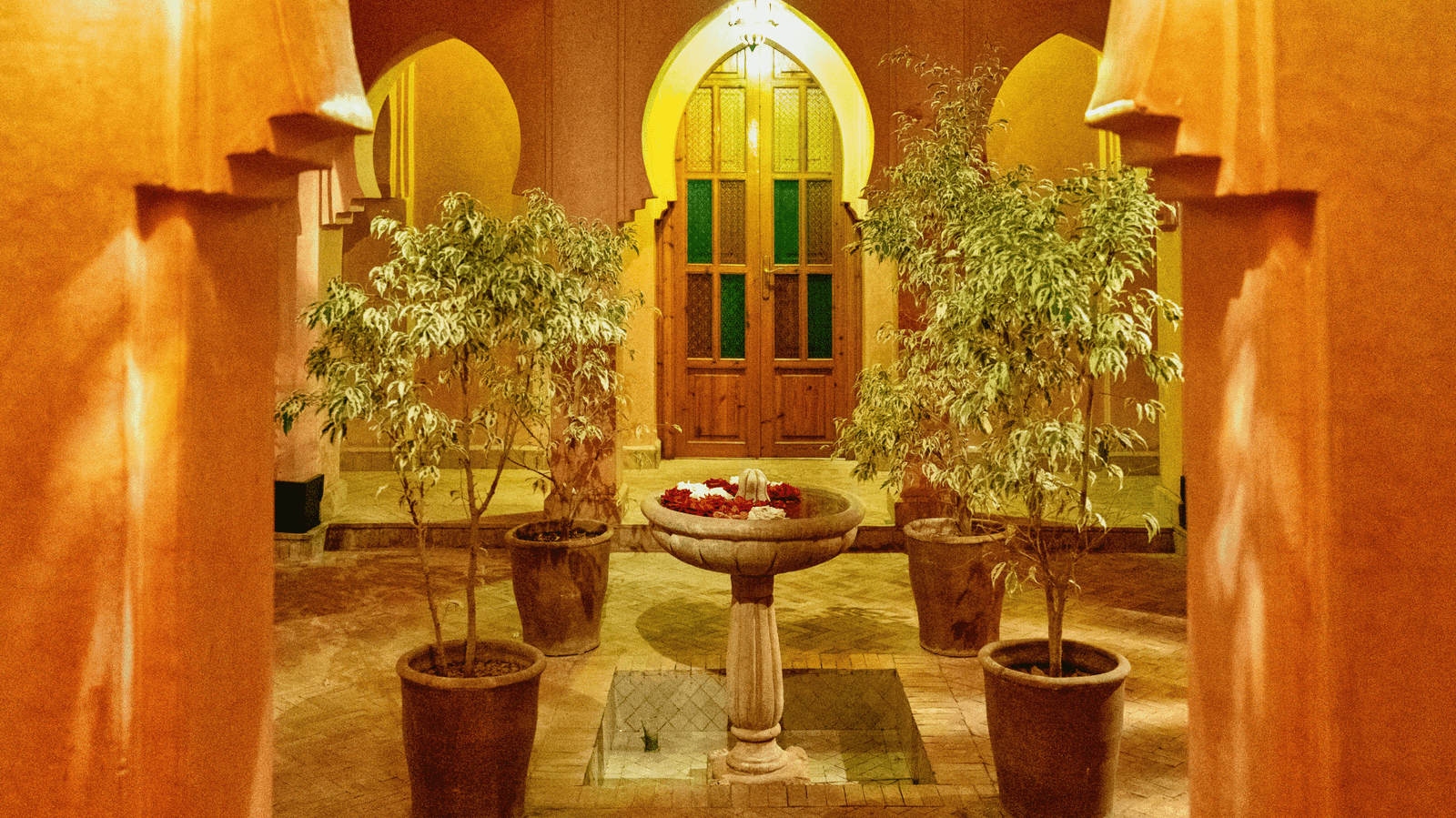
Depending on when you arrive, there may be time to ease into the atmosphere: quiet courtyards, shaded terraces, or the soft glow of lanterns as the city slows into evening. When ready, a relaxed introduction to Moroccan hospitality awaits — warm flavors, gentle rhythms, and a sense of arrival without urgency. The night is left intentionally open, ensuring a smooth and comfortable beginning to your time in the ochre-walled city.

DAY 2 – Layers of History and Daily Life
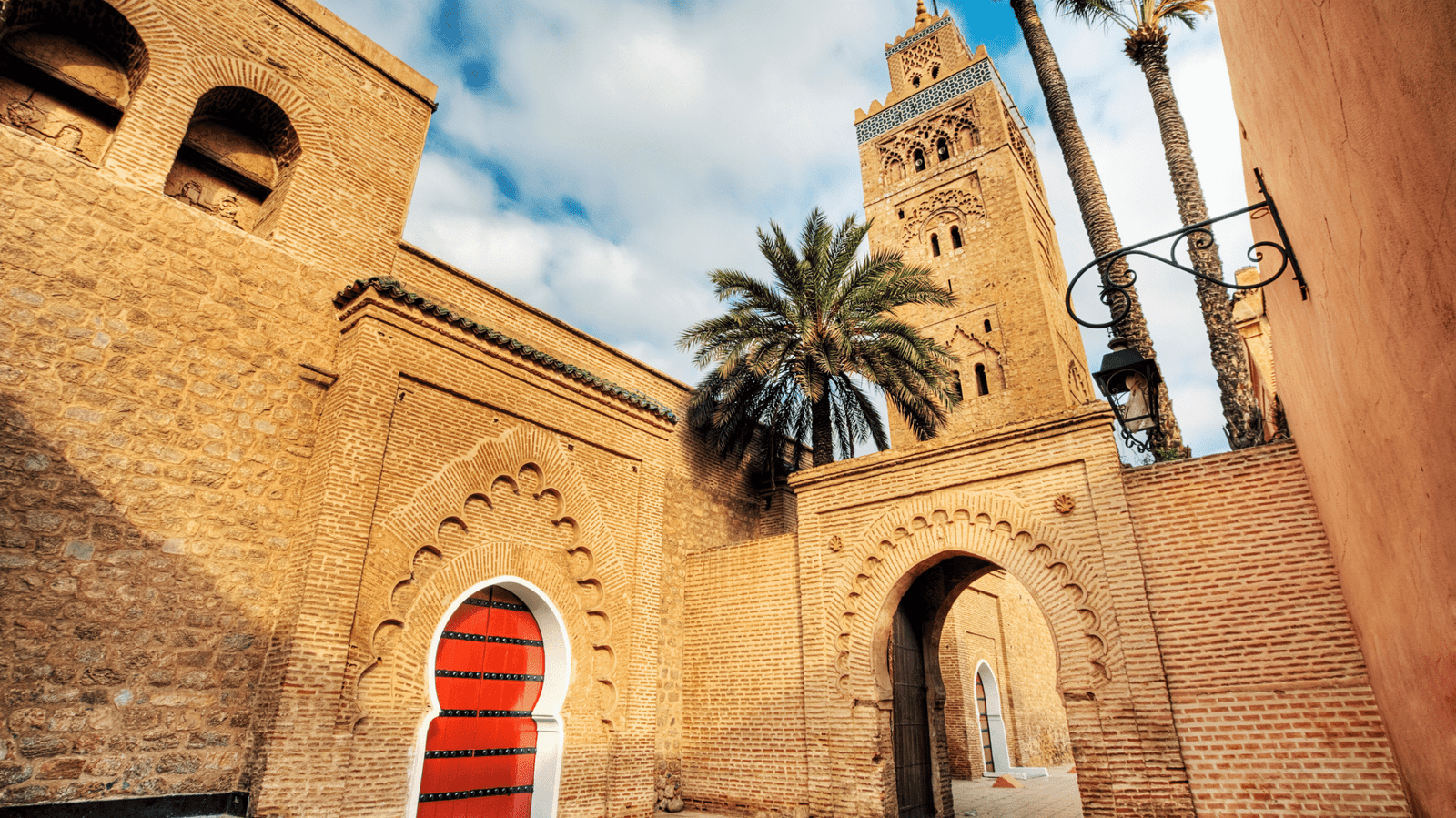
Today is dedicated to understanding Marrakech from the inside out. Accompanied by a licensed local guide, you’ll move through the medina at a thoughtful pace, tracing the stories that shaped the city — from imperial dynasties to everyday traditions that still define daily life.
The route weaves between historic landmarks and lived-in neighborhoods, revealing how religion, craftsmanship, trade, and community intersect. Rather than focusing on monuments alone, the experience is grounded in context: why places exist where they do, how they evolved, and what they mean to the people who live here today.
There is space for conversation, questions, and quiet observation. Moments unfold naturally — a workshop in use, a courtyard opening unexpectedly, the rhythm of the souks shifting as the day progresses. By the end of the day, Marrakech feels less like a destination and more like a place with depth, memory, and continuity.
DAY 3 – Inside Everyday Marrakech
Today focuses on the quieter mechanics of daily life in Marrakech — places and practices that exist beyond the city’s monuments. Moving away from formal sites, the experience centers on how the medina functions when it’s not being observed.
Time is spent with artisans and local producers, where skills are passed down through repetition rather than explanation. The emphasis is not on performance, but on presence — watching work unfold, understanding materials, and seeing how tradition adapts to modern rhythms.
The day is intentionally flexible, allowing space to pause or step away as needed. Without trying to cover everything, it offers a grounded view of the city — one shaped by routine, craftsmanship, and moments that feel unarranged.
Agafay Desert
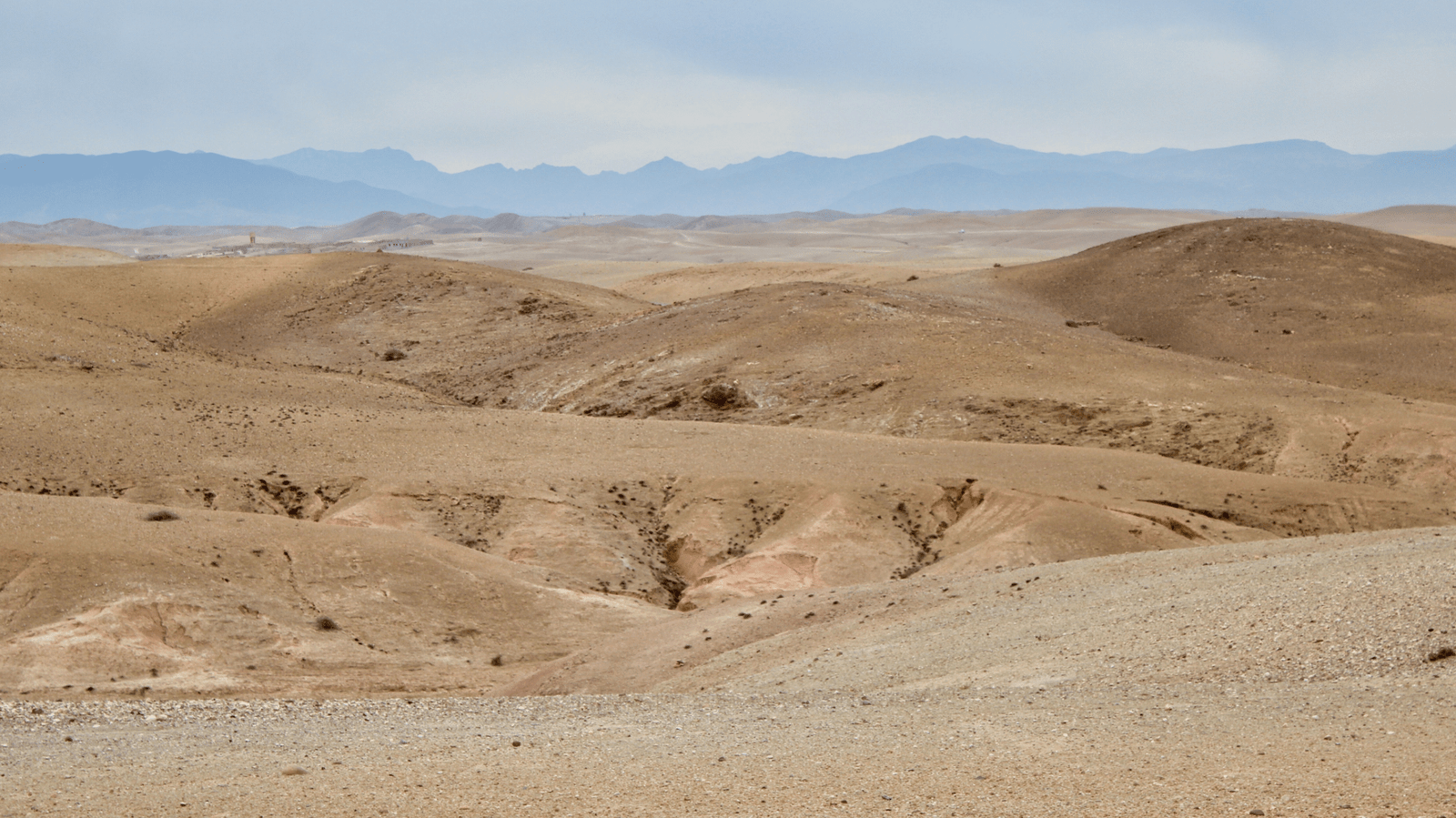
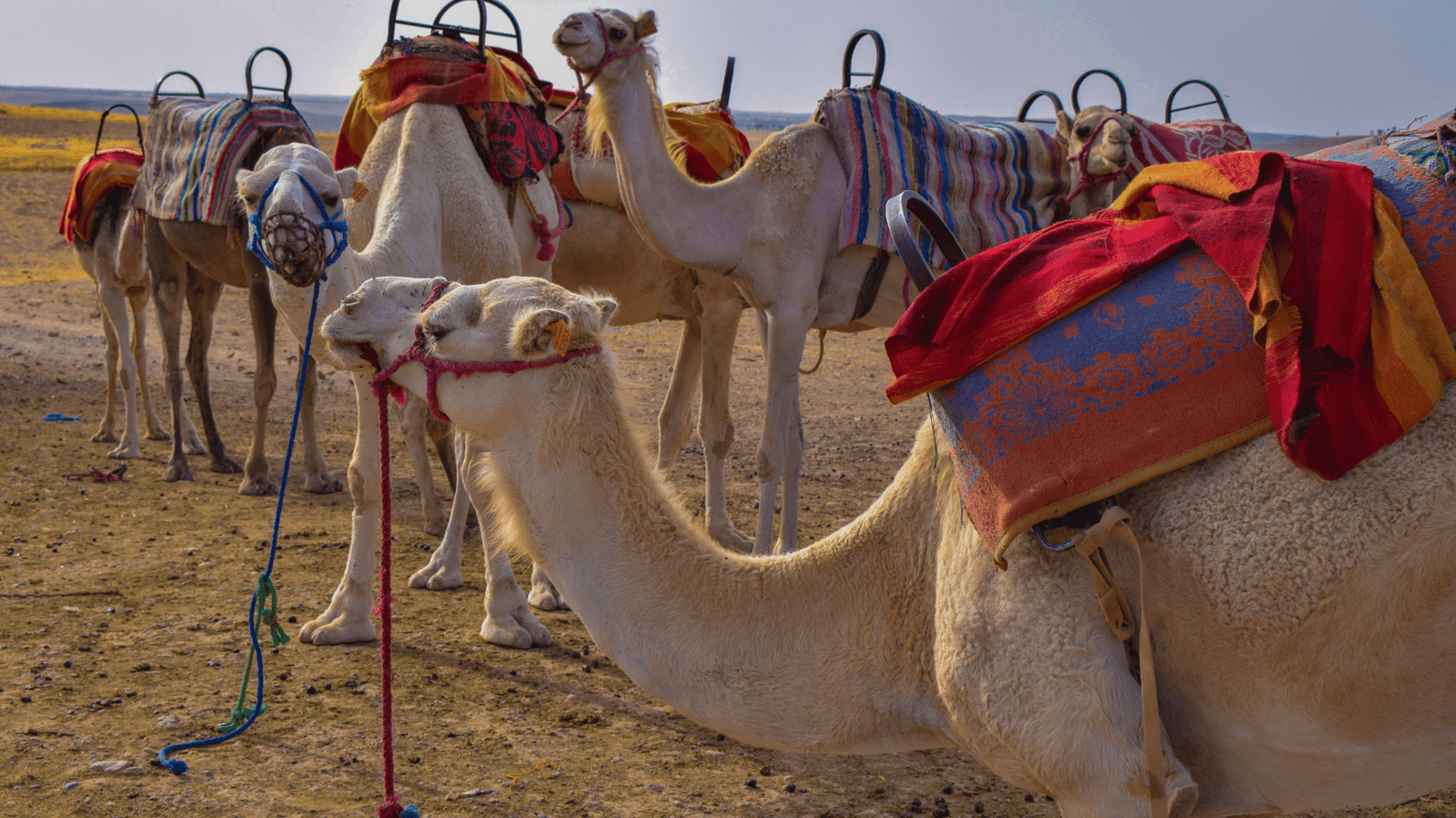
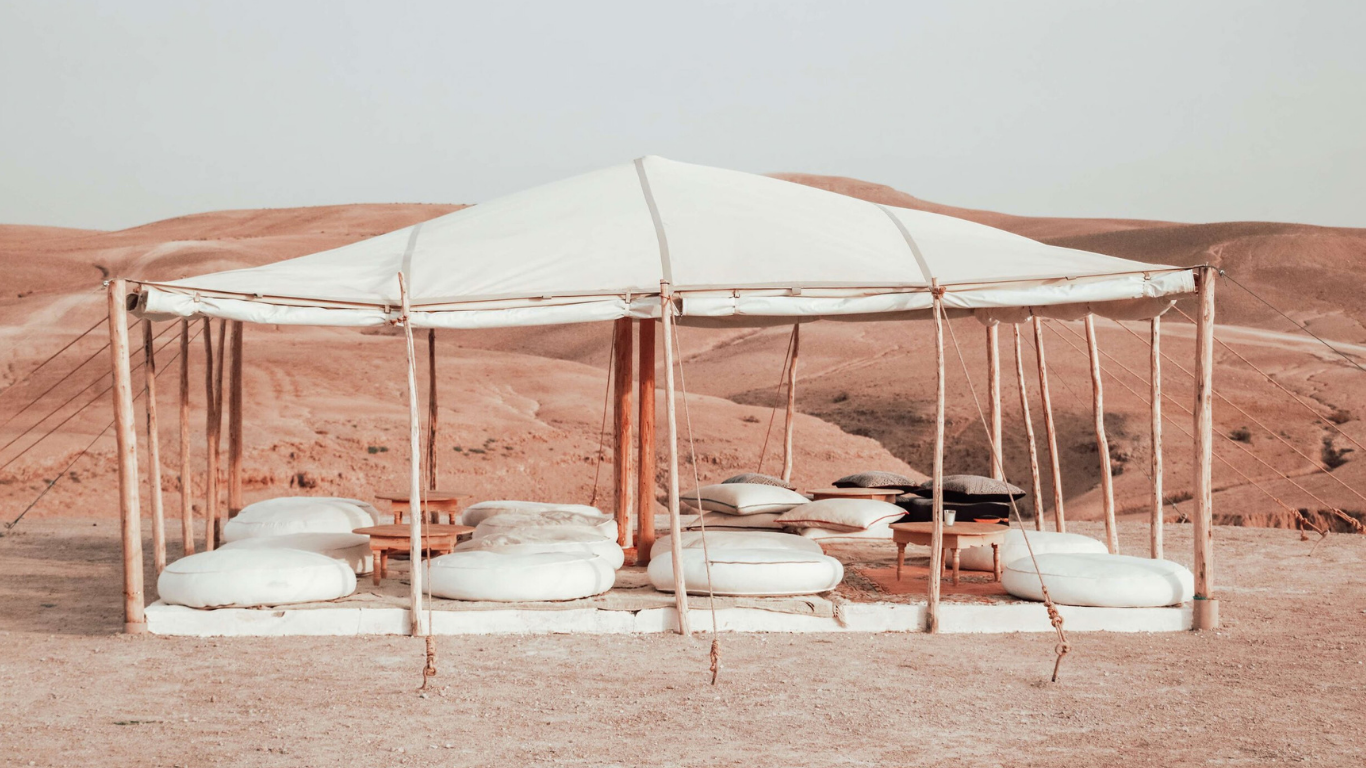
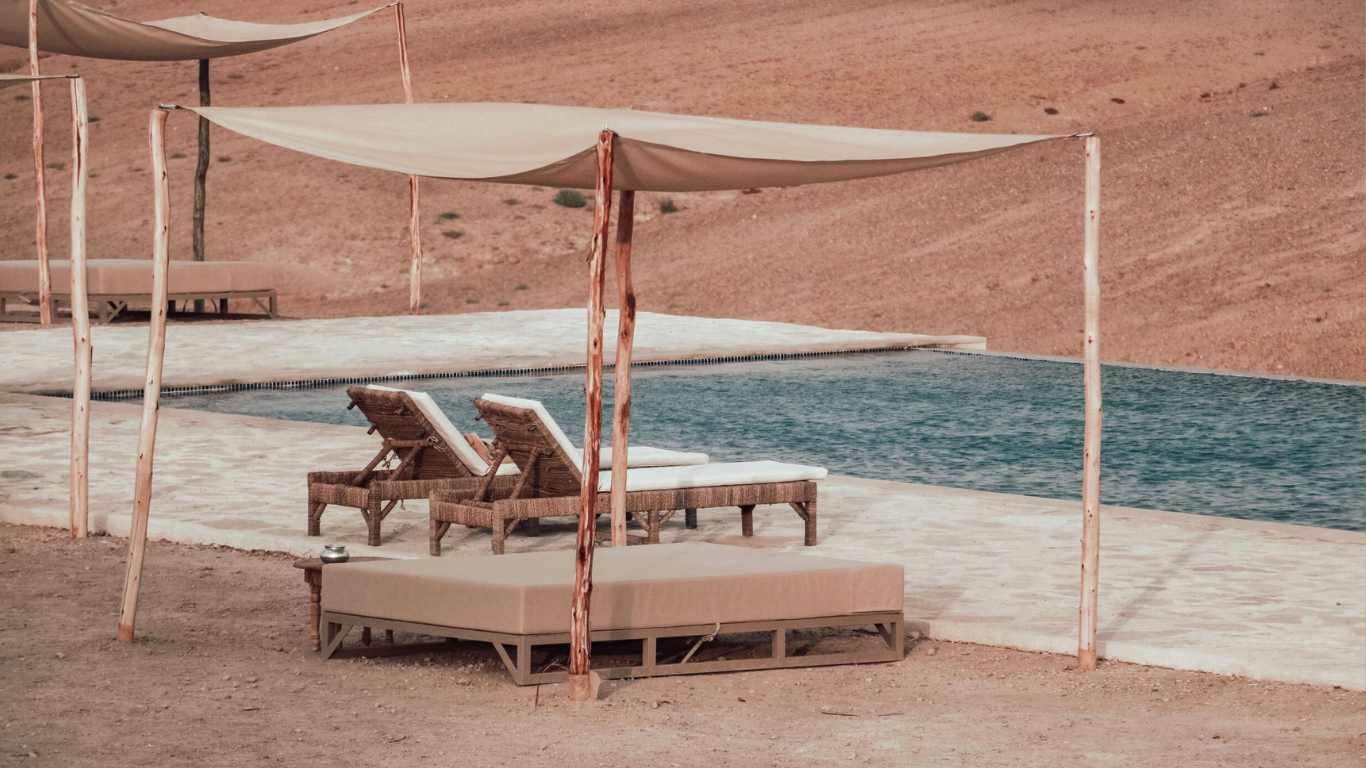
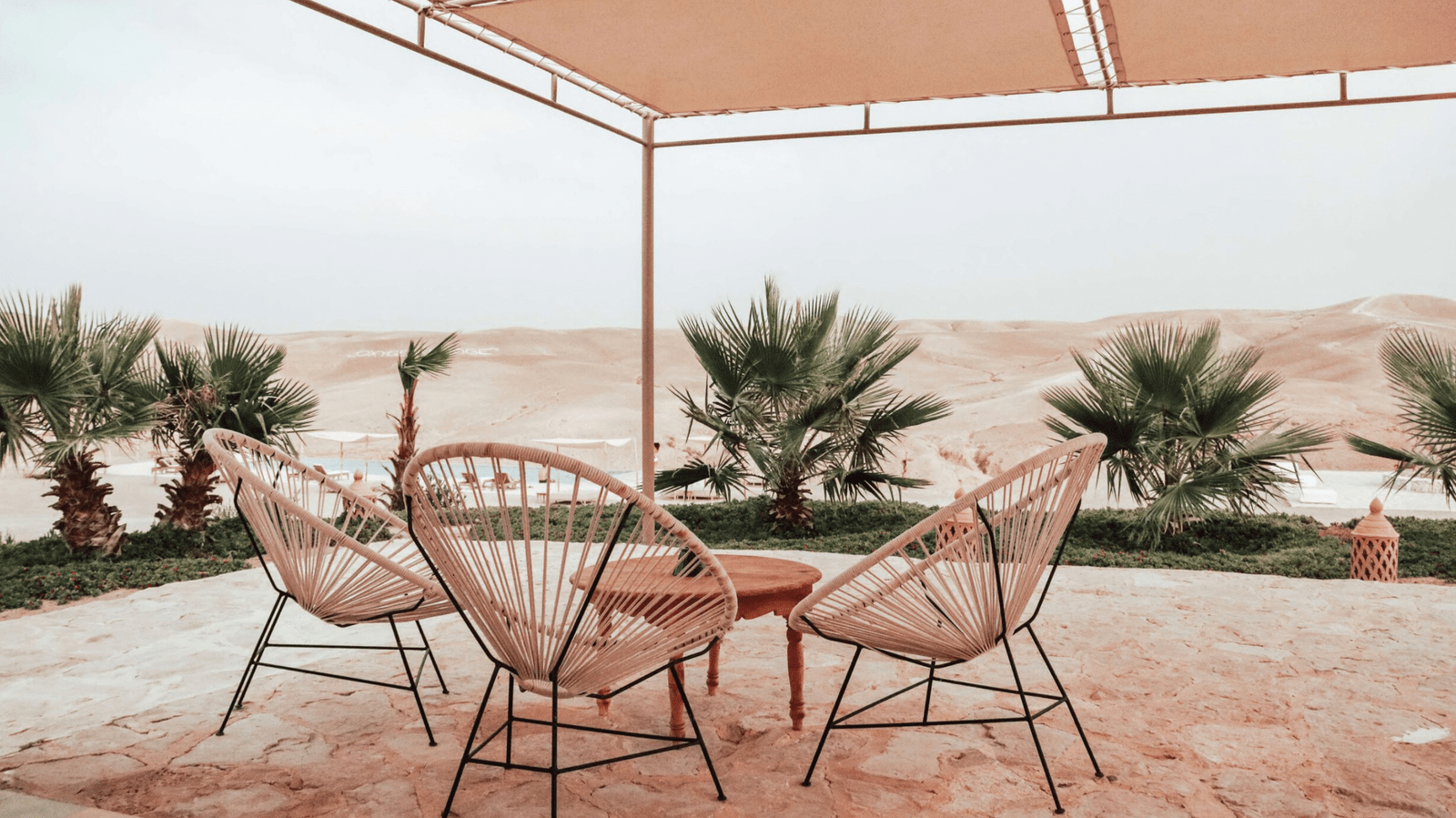
Just beyond Marrakech, the landscape opens and the pace begins to shift. The Agafay Desert feels vast and quiet, defined by stone, light, and long horizons rather than dunes. This transition marks a clear change in rhythm — from the layered intensity of the city to a more elemental experience shaped by space, silence, and sky.
DAY 4
DAY 1 – Into the Agafay Desert
Leaving Marrakech behind, the journey moves into the wide, stony plains of Agafay. The route unfolds gradually, revealing a raw and open landscape shaped by light, wind, and silence.
Arrival times may vary, and the experience is designed to adapt accordingly — whether that means settling in quietly, taking in the shifting desert tones, or simply slowing down after the drive. As the day softens, the desert reveals its calm character, offering space to unwind and ease into this new rhythm beyond the city.
The High Atlas Mountains
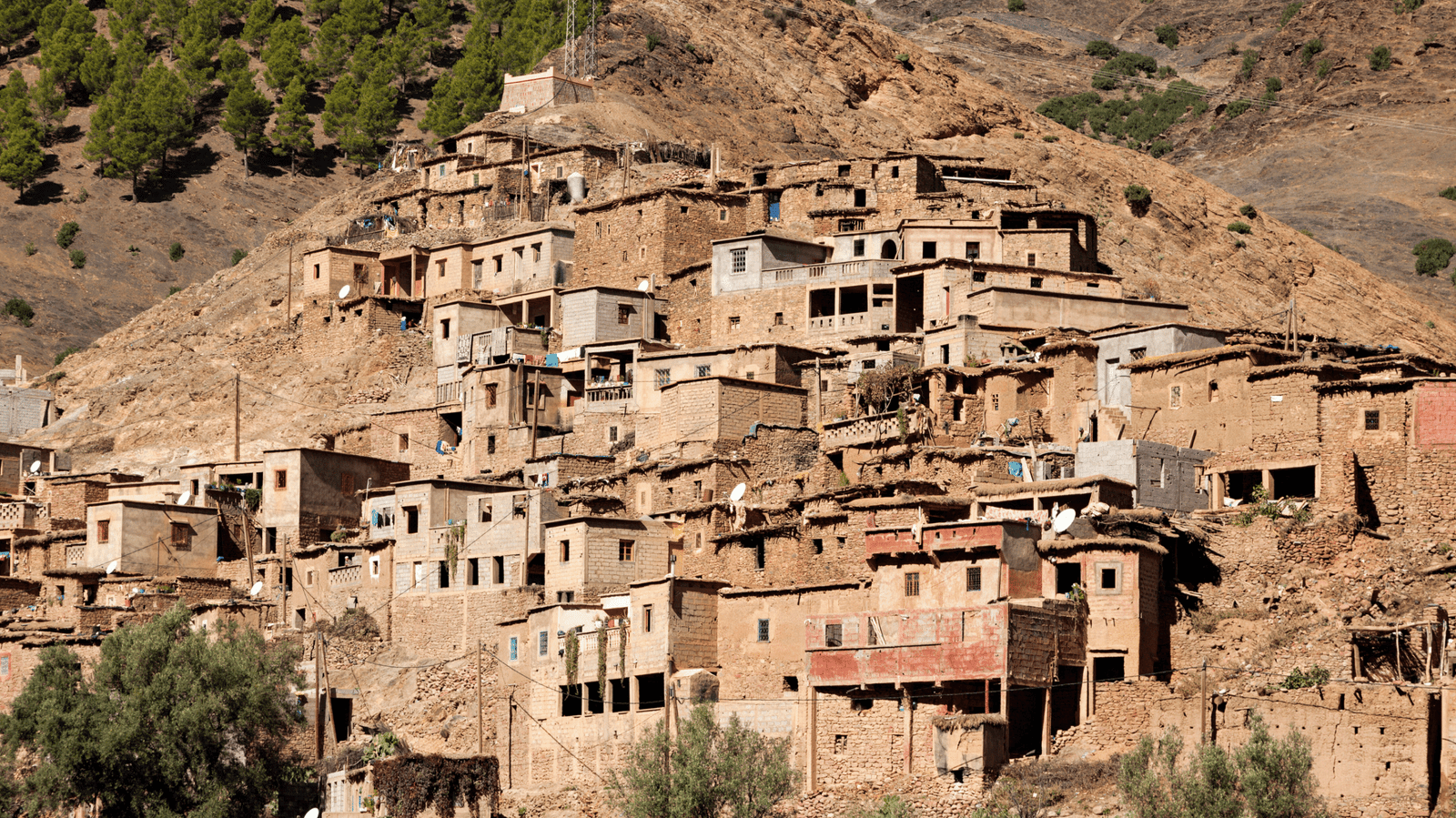
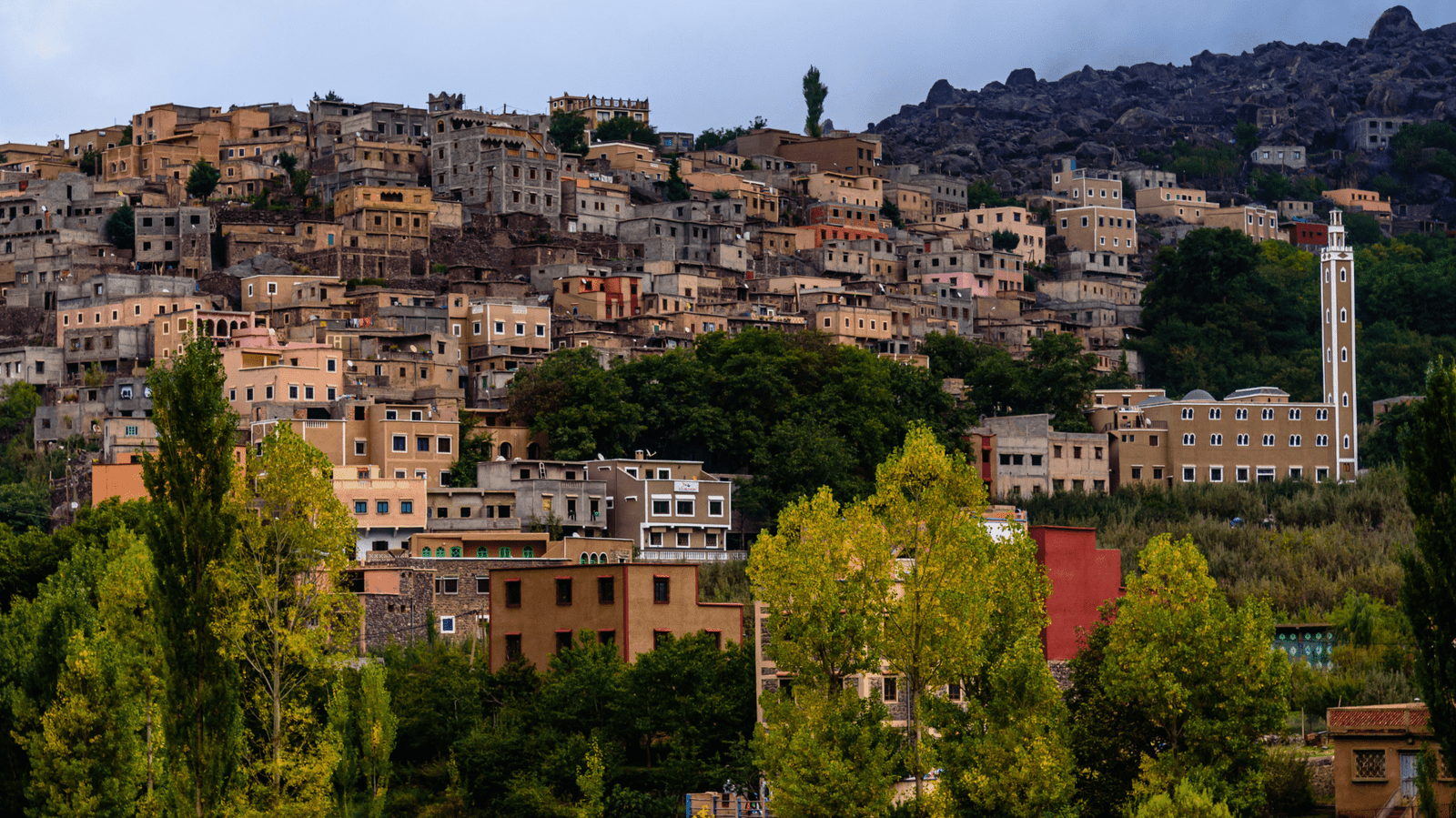
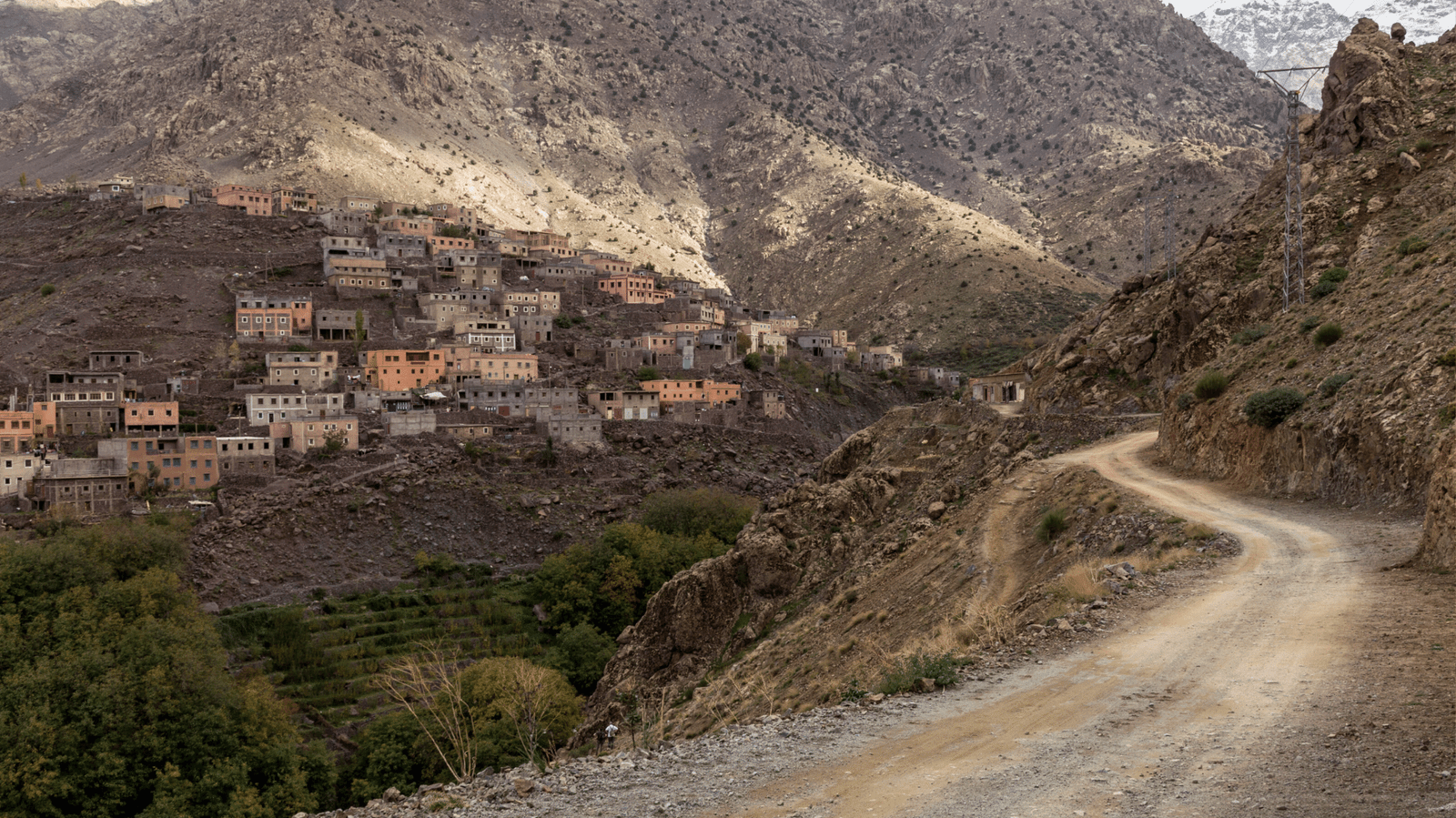
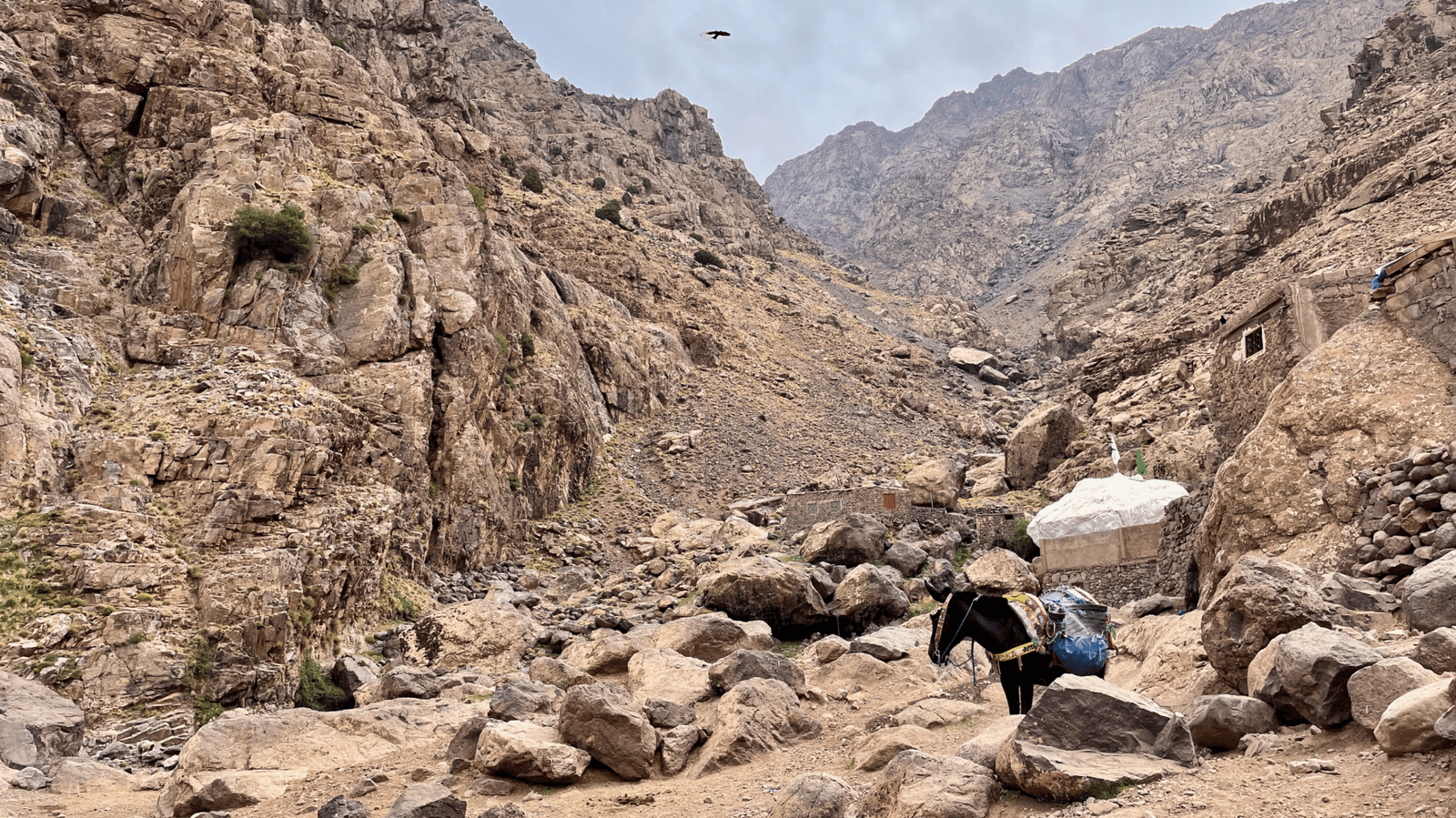
Beyond the plains, the landscape rises into the High Atlas — a region shaped by altitude, tradition, and time. Villages cling to hillsides, paths follow ancient routes, and daily life moves in step with the mountains rather than the clock.
DAYS 5-6
Day 5- A Mountainous Ascent
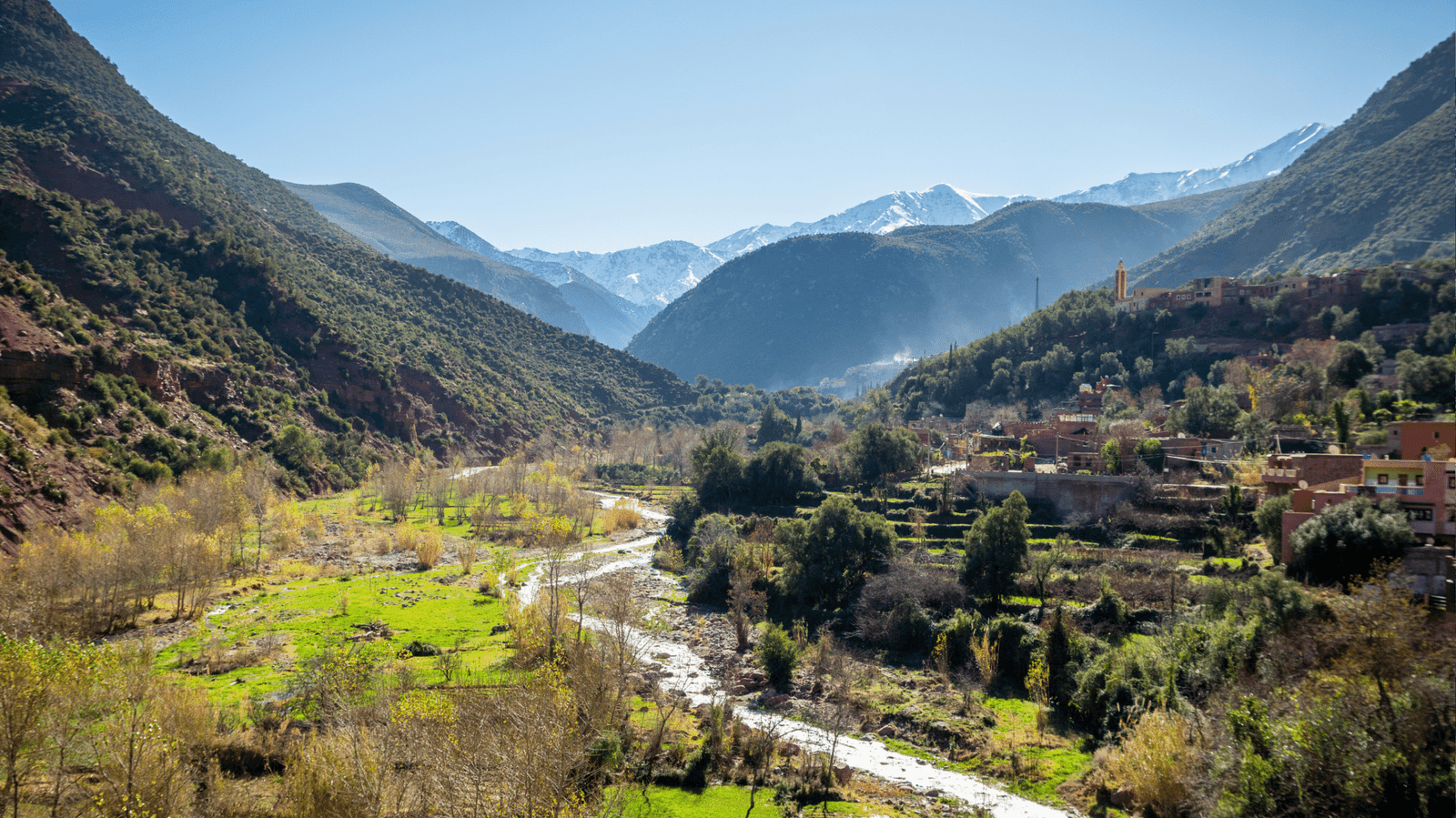
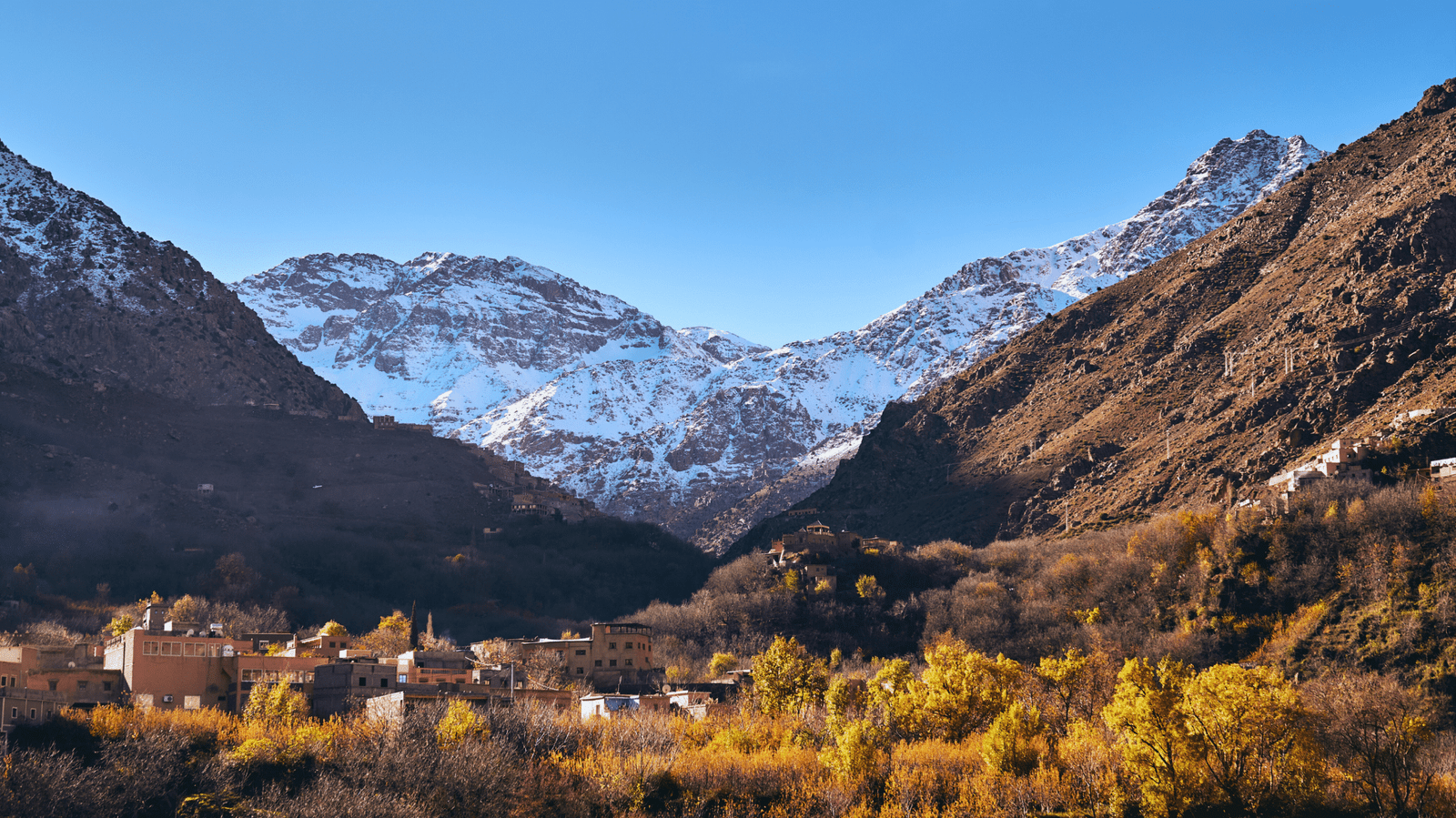
Leaving the plains behind, the journey begins to climb steadily into the High Atlas Mountains, where the landscape changes with altitude and rhythm. The road winds through fertile valleys and terraced hillsides, passing orchards of apple, apricot, cherry, prune, and walnut trees that thrive in the mountain climate.
As elevation increases, villages appear tucked into the slopes, shaped by agriculture, seasonality, and long-standing traditions. The drive unfolds at an unhurried pace, allowing time to take in the contrast between cultivated land and rugged peaks, and to sense the quieter tempo of life at altitude.
By afternoon, you arrive in the foothills of the High Atlas and settle into a mountain retreat, such as Kasbah Tamadot or a similar property, depending on availability. The remainder of the day is intentionally relaxed — offering space to unwind, enjoy the cooler air, and ease into the slower mountain rhythm as evening settles over the valley.
Day 6- The Berber Villages of the High Atlas
Today offers a closer look at life in the High Atlas, where the landscape and its people are inseparable. Accompanied by a local guide, you walk along village paths that connect homes, fields, and orchards cultivated by Berber families for generations.
The route passes through terraced plots of apple, apricot, cherry, prune, and walnut trees, sustained by irrigation channels carefully maintained by the community. Along the way, there is time to stop, observe daily routines, and understand how farming, architecture, and social life are shaped by altitude and season.
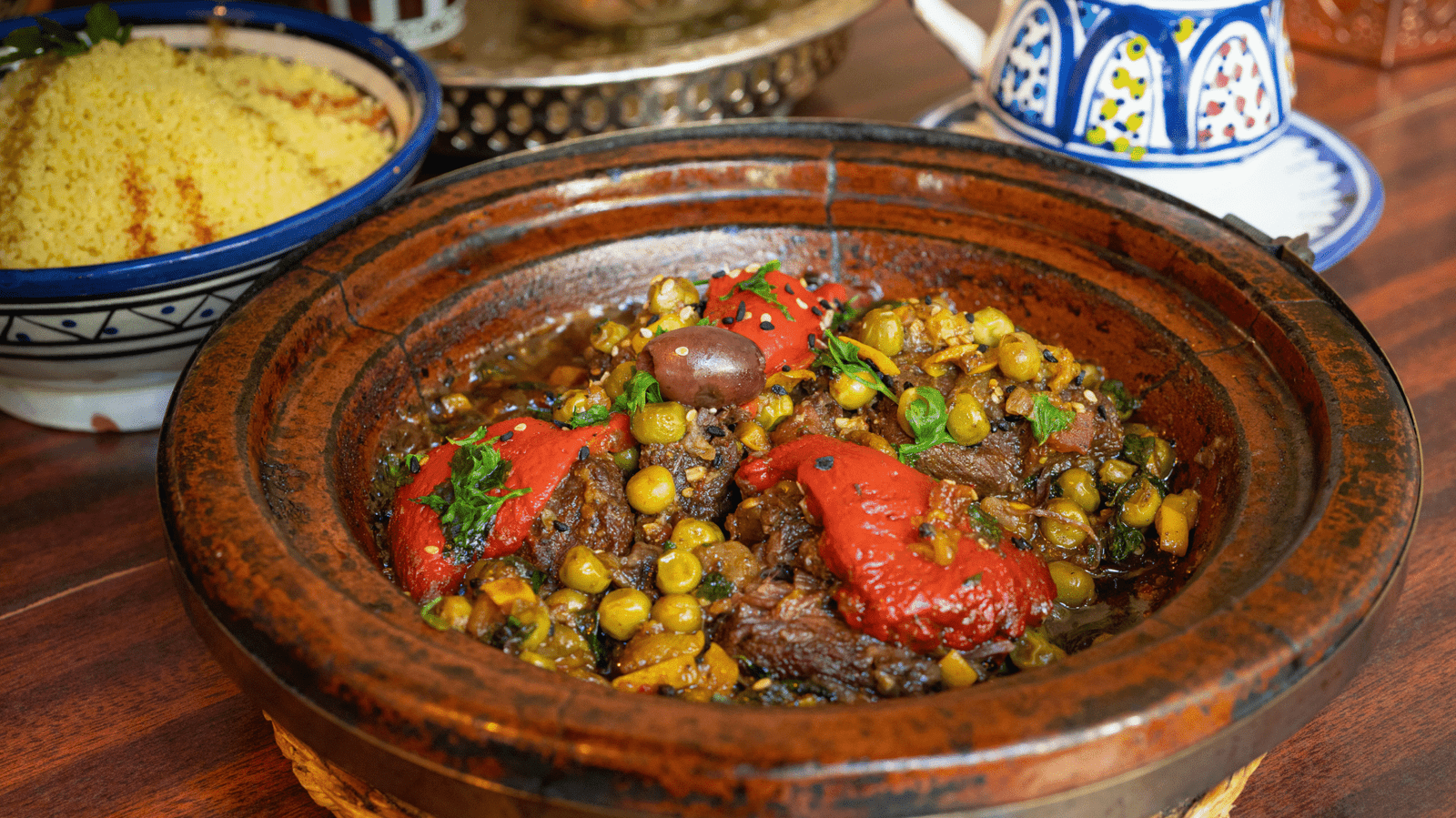
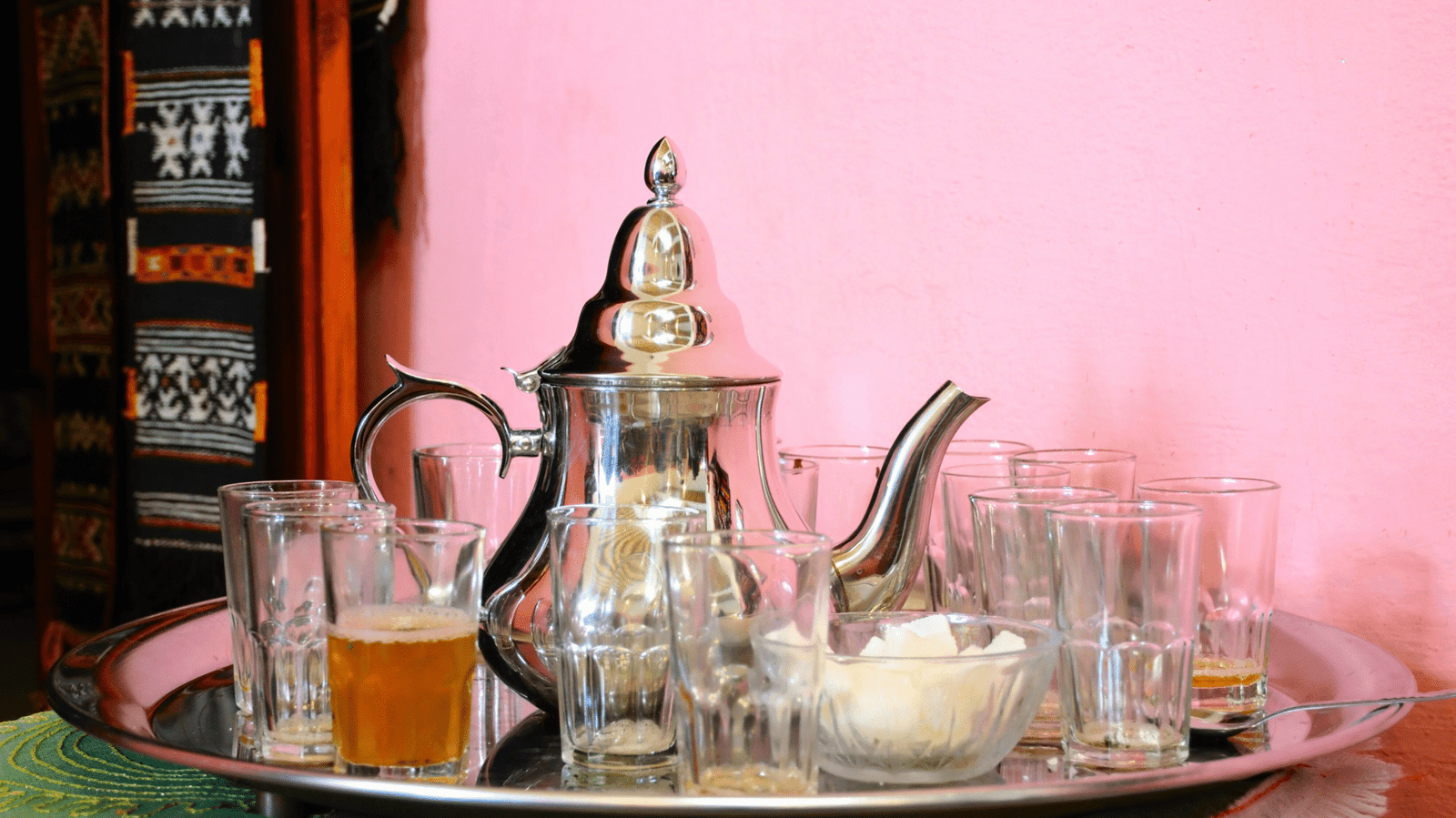
Midday brings a welcome pause inside a local Berber home, where tea is prepared and lunch is shared in a setting that reflects everyday mountain hospitality. This moment offers insight beyond explanation — a chance to sit, eat, and converse in a place where traditions continue quietly, without performance.
The afternoon returns you to your mountain retreat, such as Kasbah Tamadot or a similar property, depending on availability. The rest of the day is left open, allowing time to rest, enjoy the surroundings, or reflect on the connection between land, people, and place that defines the High Atlas.
A FOND FAREWELL
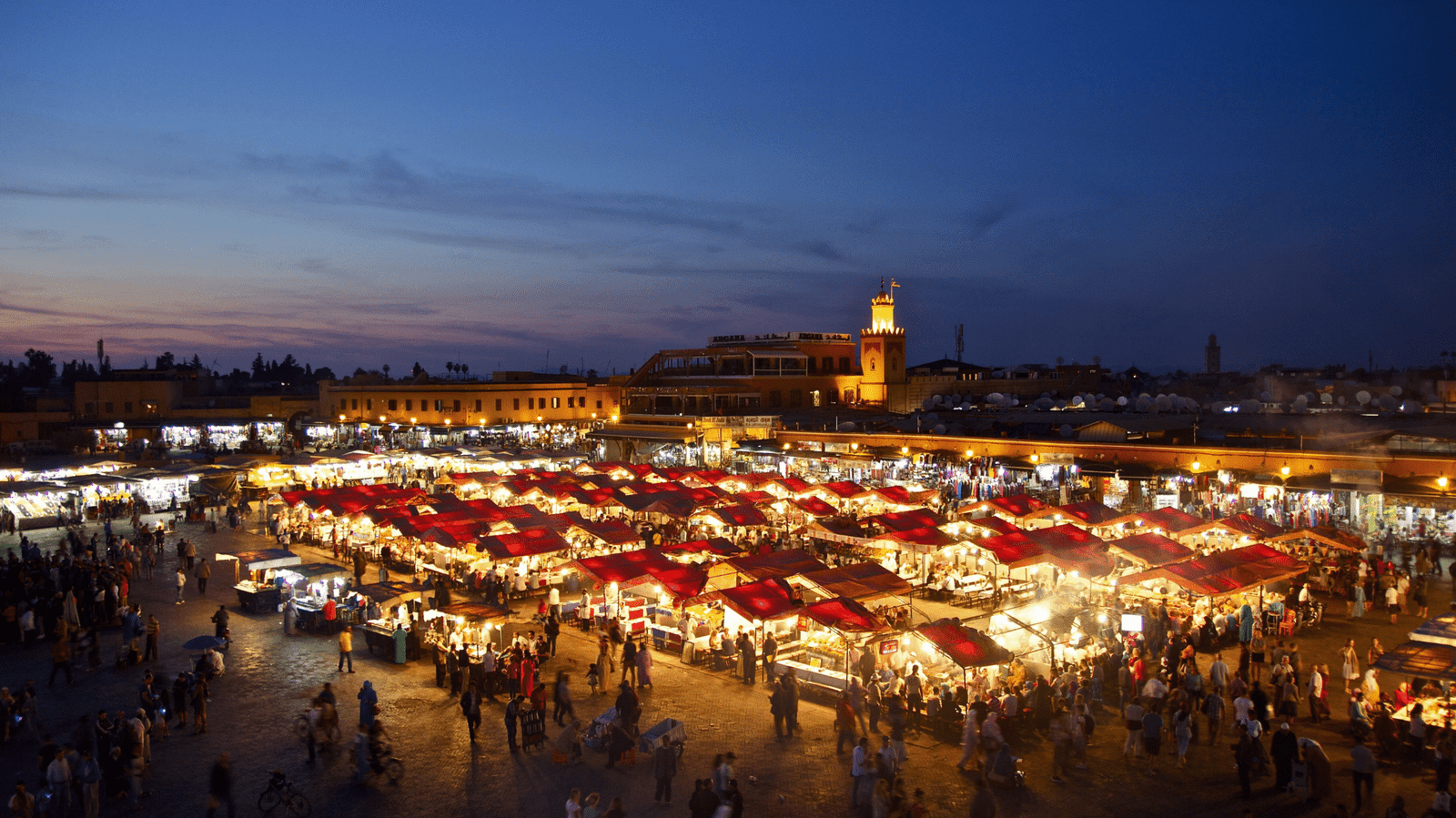
The final chapter brings the journey back to M The final chapter brings the journey back to Marrakech for rest, preparation, and a farewell evening before departure.
DAYS 7-8
Day 7-Back to Marrakech
After breakfast, the journey leaves the High Atlas and heads back toward Marrakech. The drive retraces the changing landscapes of valleys and plains, offering a final look at the rural countryside before returning to the city.
Upon arrival, the afternoon is set aside for rest and preparation. Guests may choose to enjoy a spa treatment — a chance to relax, refresh, and unwind after the days of travel and exploration — or simply take time to prepare for the evening ahead.
The day concludes with a farewell dinner in Marrakech, marking the final night of the journey. It’s an opportunity to enjoy the city one last time, share impressions from the road, and close the experience in a warm, elegant setting before departure the following day.
Day 8-Departure
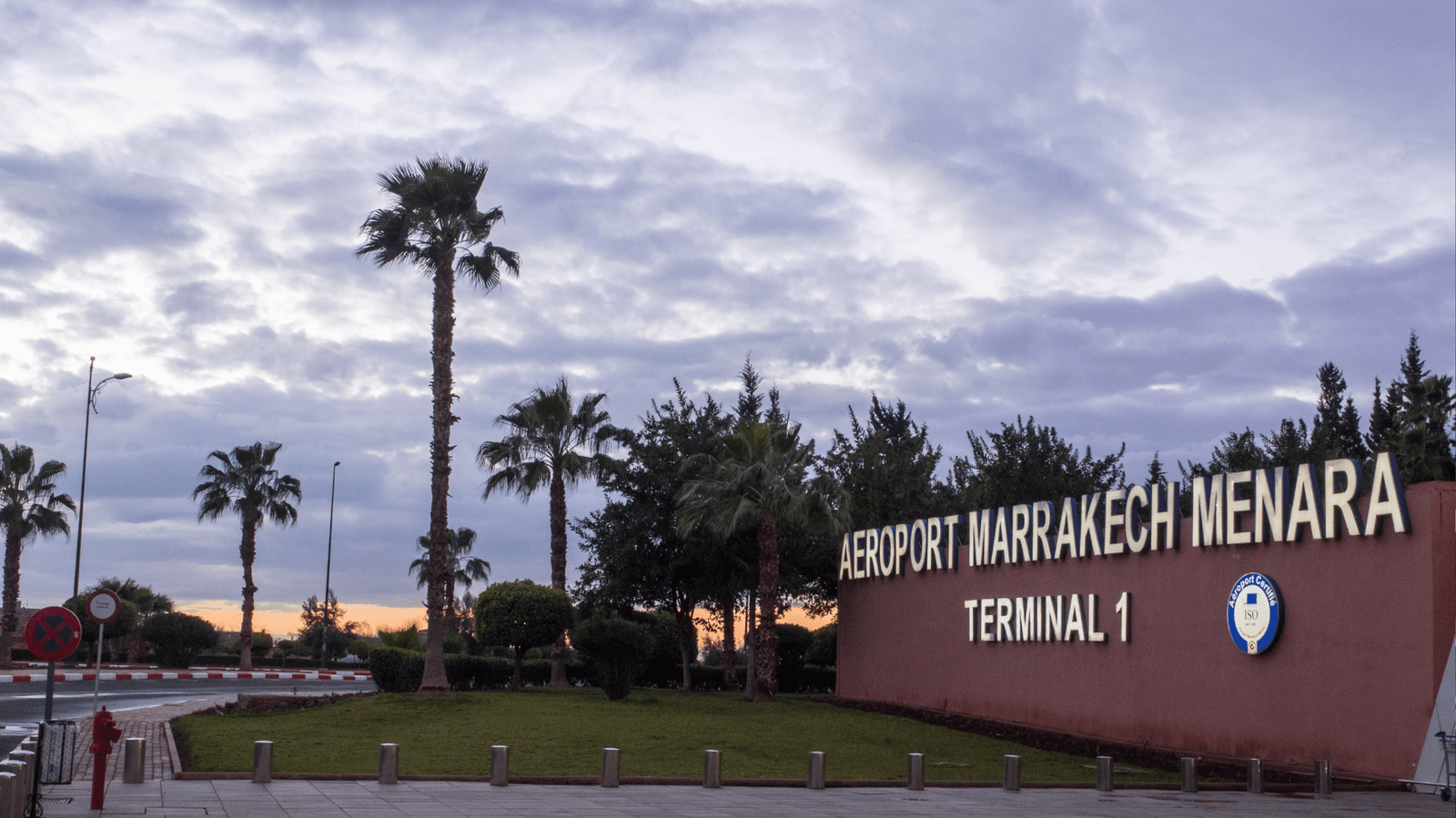
After breakfast, a private transfer takes you to Marrakech Menara Airport for your onward journey.
Assistance is provided as needed, ensuring a smooth and comfortable departure.
As the journey comes to an end, what remains are the contrasts experienced along the way — city and mountains, desert and villages, shared meals and quiet moments — carried forward long after the return home.